Use Fish Fillet Knife for Easy Fish Preparation
Fish Filleting Knives for Accuracy and Simplicity
Fish trimming knives are crucial for anyone preparing fish. They supply a spectrum of options, from bendable to stiff blades, tailored for multiple filleting needs. The correct blade length and material can greatly impact the ease of use and precision. Recognizing these factors is key for both learners and experienced cooks. Yet, many are unacquainted of the nuances that can elevate their filleting skills. What considerations should one keep in mind when opting for the perfect knife?
Types and Characteristics of Fish Fillet Knives
Fish filleting knives come in various types, each meant to enhance the exactitude and effortlessness of the filleting undertaking. Common types embrace flexible, stiff, and electric filleting knives. Flexible knives feature a flexible blade, allowing for sophisticated cuts and smooth separation of the flesh from the bone. Stiff knives, on the other hand, provide more control for larger fish, making it easier to work with tough skin and bones. Electric filleting implements speed up the undertaking, passing through fish with negligible effort, ideal for those deboning multiple fish at once.
Additionally, the cutting edges fluctuate, with stainless steel as well-liked for its rust resistance and durability. Features such as ergonomic grips and non-slip handles improve safety and comfort during use. Each type and feature is designed to fit different skill levels and choices, ensuring that both novice and experienced anglers can achieve excellent results while filleting their catch.
Steps to Pick the Appropriate Blade Length for Filleting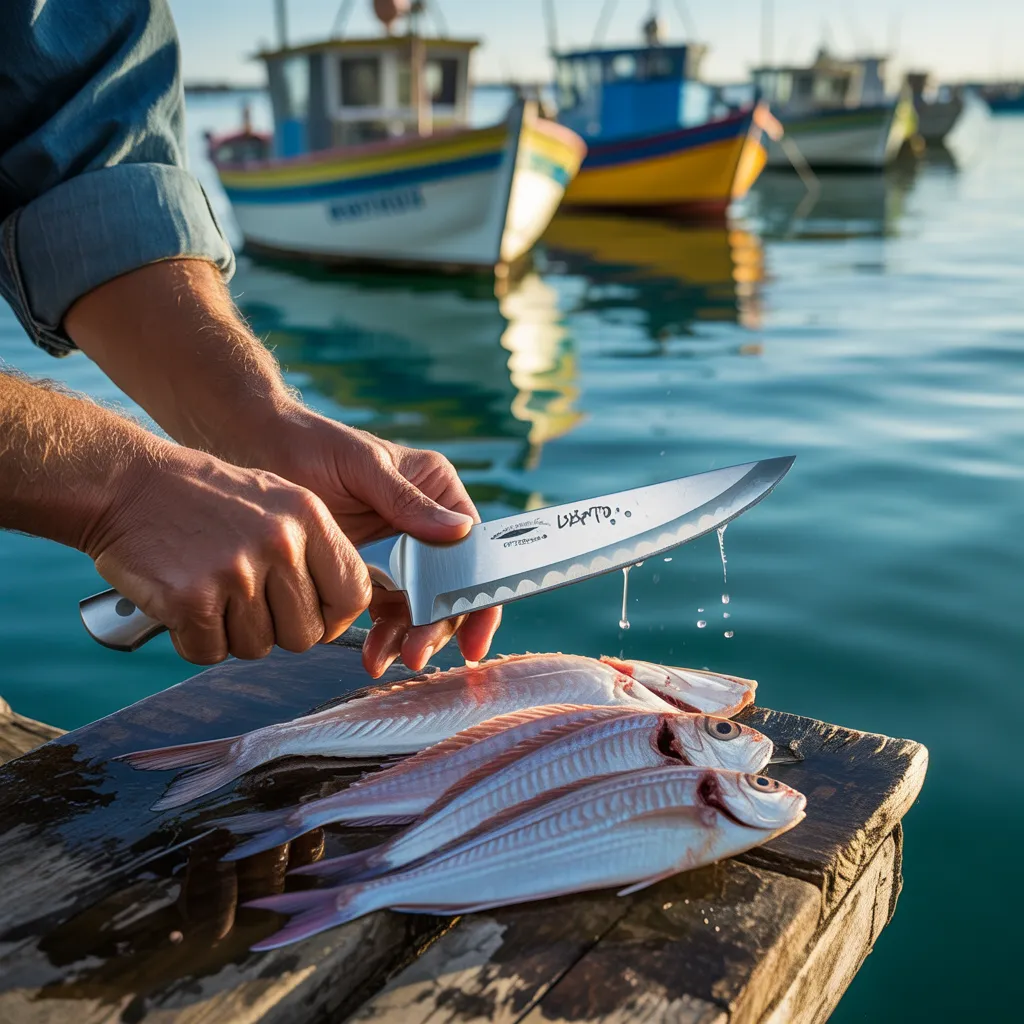
Determining the suitable blade length for filleting is crucial for attaining precise cuts and ideal results. Typically, the blade length should correspond to the size of the fish being processed. For smaller species like trout or perch, a blade length of 6 to 7 inches is often sufficient, enabling maneuverability and control. By contrast, larger fish such as salmon or tuna benefit from longer blades, typically ranging from 8 to 10 inches.
A longer blade facilitates smooth, broad cuts along the fish’s body, reducing the chance of tearing its flesh. In addition, the blade’s pliability is crucial; a more flexible blade can conform better to the fish’s contours, enhancing both precision and ease of use. Ultimately, the proper blade length combined with pliability guarantees effective filleting, making the task easier and yielding better results.
Optimal Options for Fish Filleting Knives
When considering the best materials for fish filleting knives, the selection of blade composition greatly impacts results. High-carbon stainless steel is often favored for its excellent edge retention and resistance similar resource to rust, making it ideal for wet environments. This material strikes a harmony between longevity and sharpness, allowing for precise cuts.
Another popular choice is flexible stainless steel, which enhances ease of movement during filleting, offering the capacity to navigate around bones and skin effortlessly.
Numerous knives depend on ceramic edges, esteemed for their impressive durability and freedom from rust; however, they can become brittle and may chip under stress.
Handle material also proves vital, with options ranging from wood to synthetic composites, each offering varying levels of grip and comfort. Ultimately, the preference of materials dictates not only the knife's performance but also the user's overall experience in filleting fish.
Essential Techniques for Deboning Fish: A Novice Guide
In the realm of fish filleting, selecting the appropriate knife is important for creating clean cuts and minimizing waste. Comprehending the step-by-step process of filleting can considerably enhance the skill set of a beginner. Mastering these essential techniques sets the foundation for productive and effective fish preparation.
Finding The Ideal Kitchen Knife
Determining the optimal knife is necessary for achieving precise and efficient fish filleting. Multiple factors guide this choice, including blade elasticity, length, and material. A flexible edge supports superior control around bones, making it easier to extract the flesh from the skeletal framework. Commonly, filleting knives range from 6 to 9 inches in length, with longer blades appropriate for larger fish. Furthermore, high-carbon stainless steel is usually preferred for its sharpness and durability. Grip convenience also remains significant; a expertly designed handle alleviates fatigue during continuous use. At last, choosing a knife that integrates these elements will notably enhance the filleting experience, creating precise slices and limiting unnecessary waste.
Sequential Filleting Process
Perfecting the step-by-step filleting method converts a whole fish into beautiful, boneless fillets. The undertaking starts with securing the fish on a cutting board, assuring stability. Next, employing a sharp filleting knife, one should make an cut behind the gills, cutting down to the backbone. With the knife angled, the fillet is then meticulously separated from the bones, following the contour of the spine. Once the first side is finished, the fish is flipped to repeat the technique on the other side. After both fillets are removed, it's critical to trim away any remaining bones and skin. Finally, rinsing the fillets under cold water guarantees they are clean and ready for cooking. This method yields precise, professional results.
Tips for preserving Your Fish Filleting Knife to ensure enduring Performance
A fish filleting knife requires regular upkeep to preserve its lifespan and peak performance. Consistent cleaning following every use is essential. You should wash the knife using warm soapy water, steering clear of harsh scrubbing materials that might harm the blade. It's vital to dry the knife completely to ward off oxidation and rust, particularly when the blade is constructed from carbon steel.
The maintenance of the knife includes sharpening the edge, which is an important step. Employing a sharpening stone or a steel helps to maintain the sharpness, ensuring effortless cuts for fish preparation. It is best to sharpen the knife periodically according to how often it is used.
Storing the knife properly will also extend its life. A knife cover or magnetic strip can protect the blade from damage and keep it securely stored. Additionally, periodic oiling of the blade can prevent moisture buildup and corrosion. By following these guidelines, the performance and durability of a fish filleting knife can be markedly improved.
Premium Fish Filleting Knife Vendors for Every Skill Level
When selecting a fish filleting knife, experts and hobbyists alike can gain advantages by investigating different brands that serve varying proficiency tiers. For newcomers, brands like Rapala and Morakniv offer budget-conscious, accessible options that prioritize ease of use and safety. These knives typically feature ergonomic handles and flexible blades, rendering them perfect for novice fishers.
Intermediate users might prefer brands such as Dexter Russell and Bubba Blade, which present a balance of quality and performance. Their knives often include durable materials and ergonomic designs, allowing for more exact filleting techniques.
For skilled experts, manufacturers like Wüsthof and Global excel with their superior craftsmanship and high-quality steel. These knives are designed for accuracy, ensuring superior control and durability. By considering these leading brands, anglers at any experience level can enhance their fillet work, ultimately leading to improved results on the water.
Popular Questions Posed Regularly
Can Fish Filleting Knives Appropriate for Other Meat Choices?
Fish filleting knives can be used with other types of meat, although their design primarily caters to fish. Their flexibility and sharpness may assist with filleting poultry or trimming meats, albeit with less efficiency.
How Frequently Should I Keep Sharp My Fish Filleting Knife?
You should hone a fish filleting knife frequently, ideally after every few uses, to keep its sharpness. Frequent honing ensures neat cuts and enhances the overall experience while preparing fish or other meats.
Do Electric Filleting Knives Merit the Financial Commitment?
Those wanting speed and convenience may find motorized fillet knives to be a worthwhile investment. These tools reduce physical strain and improve uniformity, notably for those who use them regularly, yet they may not appeal to traditionalists committed to manual techniques.
What Represents the Finest Approach to Store a Filleting Knife?
The optimal method for storing a filleting knife is within a knife case or knife block, ensuring the blade remains sharp and secure. Additionally, storing it in a dry environment prevents rust and damage.
Is a Filleting Knife Effective for Skinning Fish?
Yes, a boning knife can be employed for skinning fish. Its flexibility and sharpness enable for precise cuts, making it effective for detaching skin from the meat. Meticulous handling ensures ideal results and reduces waste during the procedure.